Money management isn’t just about saving—it’s about making smart financial decisions that secure your future. Whether you’re running a business, investing, or simply looking to build long-term wealth, understanding how to manage money effectively is crucial.
Here’s a practical guide to help you take control of your finances and build financial stability.
1. Budgeting:
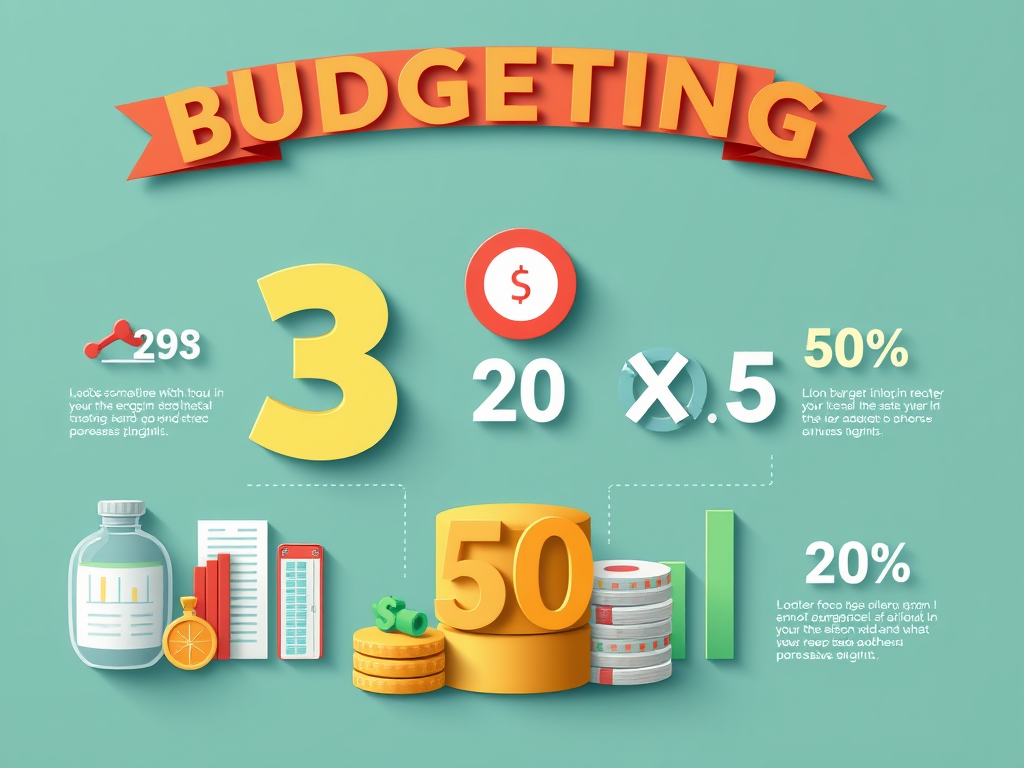
The Foundation of Financial Success ,A well-structured budget is your financial roadmap. It helps you track your income, control expenses, and allocate funds wisely. A simple yet effective rule to follow is the 50/30/20 method:
• 50% for necessities (rent, bills, groceries)
• 30% for discretionary spending (entertainment, dining out)
• 20% for savings and investments
Using budgeting tools like YNAB or Mint can automate tracking and make financial planning easier.
2. Saving:
Pay Yourself First Saving should be intentional, not an afterthought. Automate your savings by setting up a direct transfer to a separate account. Consider these essential savings categories:
• Emergency Fund: Aim for 3–6 months of expenses for financial security.
• Short-Term Savings: Set aside money for planned expenses like vacations or major purchases.
• Long-Term Savings: Build wealth for future goals, such as buying a home or retirement. Consistency is key—start small if needed, but stay disciplined.
3. Smart Investing: Make Your Money Work for You Saving money preserves wealth, but investing helps it grow. Diversifying your investments can reduce risk while maximizing returns. Here’s where to start:
• Index funds & ETFs: Low-cost, long-term investment options for steady growth.
• Stocks: Higher potential returns, but requires research and risk tolerance.
• Real Estate: A solid long-term investment that builds passive income and equity. If you’re into short-term investing (like I am), focus on market trends, company fundamentals, and timing. For long-term investing, patience and consistency are your best allies.
4. Managing Debt:
The Smart Way Not all debt is bad. Good debt (such as a mortgage or business loan) helps build assets, while bad debt (like high-interest credit cards) can drain your wealth. Here’s how to manage debt effectively:
• Prioritize paying off high-interest debt first (debt avalanche method).
• Avoid unnecessary loans or excessive credit card usage. • Maintain a strong credit score by paying bills on time. The goal isn’t to eliminate debt completely but to use it wisely to build wealth.
5. Multiple Income Streams:
Secure Your Financial Future Relying on a single income source can be risky. Diversify your income for financial stability: • Side businesses: My print-on-demand business, PressPop Designs, is a great example of a low-cost side hustle.
• Freelancing: Monetize your skills in design, writing, or consulting.
• Passive income: Invest in stocks, rental properties, or digital products for long-term earnings. The more income streams you build, the more financial freedom you’ll have.

Money management isn’t about restriction—it’s about control. The more you understand your finances, the more freedom you’ll have to create the life you want. Whether you’re an entrepreneur, an investor, or just starting your financial journey, mastering these principles will set you up for long-term success.
What’s your biggest challenge when it comes to managing money? Let’s discuss in the comments!
 Alizsphere
Leave a comment