Author: Aleez

  • Smart Money Management: Your Path to Financial Stability

    Money management isn’t just about saving—it’s about making smart financial decisions that secure your future. Whether you’re running a business, investing, or simply looking to build long-term wealth, understanding how to manage money effectively is crucial.

    Here’s a practical guide to help you take control of your finances and build financial stability.

    1. Budgeting:

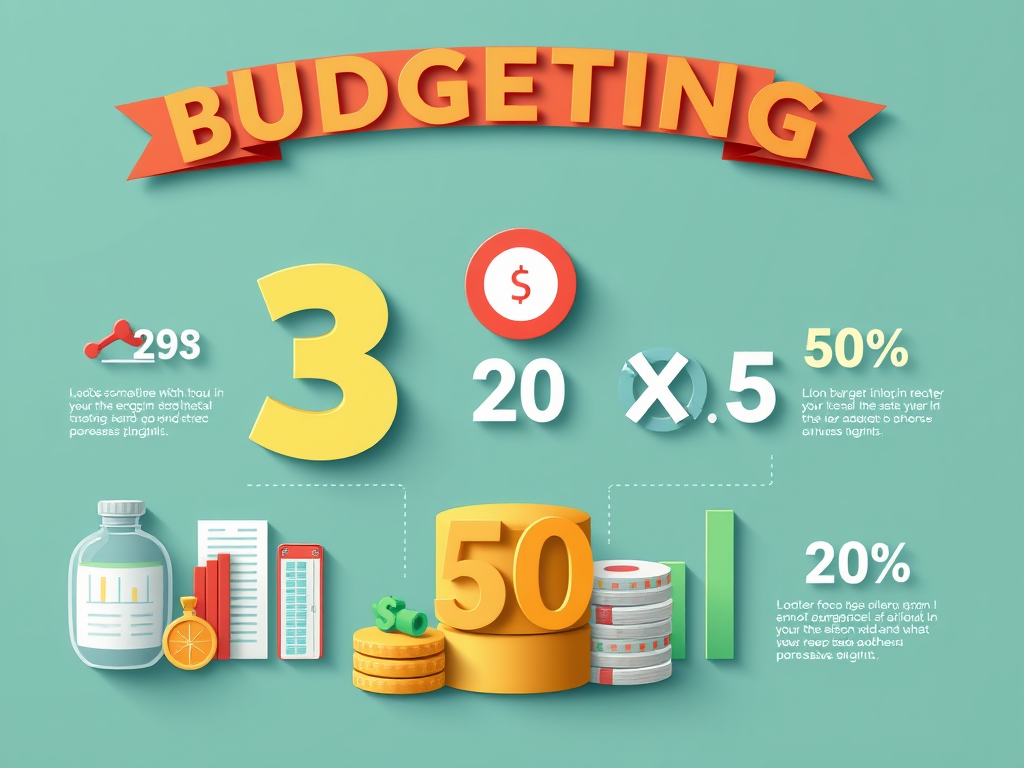
    The Foundation of Financial Success ,A well-structured budget is your financial roadmap. It helps you track your income, control expenses, and allocate funds wisely. A simple yet effective rule to follow is the 50/30/20 method:

    • 50% for necessities (rent, bills, groceries)

    • 30% for discretionary spending (entertainment, dining out)

    • 20% for savings and investments

    Using budgeting tools like YNAB or Mint can automate tracking and make financial planning easier.

    2. Saving:

    Pay Yourself First Saving should be intentional, not an afterthought. Automate your savings by setting up a direct transfer to a separate account. Consider these essential savings categories:

    • Emergency Fund: Aim for 3–6 months of expenses for financial security.

    • Short-Term Savings: Set aside money for planned expenses like vacations or major purchases.

    • Long-Term Savings: Build wealth for future goals, such as buying a home or retirement. Consistency is key—start small if needed, but stay disciplined.

    3. Smart Investing: Make Your Money Work for You Saving money preserves wealth, but investing helps it grow. Diversifying your investments can reduce risk while maximizing returns. Here’s where to start:

    • Index funds & ETFs: Low-cost, long-term investment options for steady growth.

    • Stocks: Higher potential returns, but requires research and risk tolerance.

    • Real Estate: A solid long-term investment that builds passive income and equity. If you’re into short-term investing (like I am), focus on market trends, company fundamentals, and timing. For long-term investing, patience and consistency are your best allies.

    4. Managing Debt:

    The Smart Way Not all debt is bad. Good debt (such as a mortgage or business loan) helps build assets, while bad debt (like high-interest credit cards) can drain your wealth. Here’s how to manage debt effectively:

    • Prioritize paying off high-interest debt first (debt avalanche method).

    • Avoid unnecessary loans or excessive credit card usage. • Maintain a strong credit score by paying bills on time. The goal isn’t to eliminate debt completely but to use it wisely to build wealth.

    5. Multiple Income Streams:

    Secure Your Financial Future Relying on a single income source can be risky. Diversify your income for financial stability: • Side businesses: My print-on-demand business, PressPop Designs, is a great example of a low-cost side hustle.

    • Freelancing: Monetize your skills in design, writing, or consulting.

    • Passive income: Invest in stocks, rental properties, or digital products for long-term earnings. The more income streams you build, the more financial freedom you’ll have.

    Money management isn’t about restriction—it’s about control. The more you understand your finances, the more freedom you’ll have to create the life you want. Whether you’re an entrepreneur, an investor, or just starting your financial journey, mastering these principles will set you up for long-term success.

    What’s your biggest challenge when it comes to managing money? Let’s discuss in the comments!

  • Building Wealth: Fast vs. Slow Finance Strategies Explained

    In today’s financial world, there are two main approaches to building wealth: Fast Finance and Slow Finance.

    Some people chase quick profits through trading, flipping assets, or high-risk investments, while others take a slow, steady path—focusing on long-term growth, passive income, and compounding returns. But which one is better? Should you aim for fast money with high risk or slow wealth with long-term security? Let’s dive into both perspectives, explore their pros and cons, and help you decide the best strategy for your financial journey.

    What is Fast Finance?

    Fast Finance is all about quick profits, rapid transactions, and high-risk, high-reward strategies. This approach appeals to those who want to see immediate returns rather than waiting years for their wealth to grow.

    Common Fast Finance Strategies:

    • Day Trading & Swing Trading – Buying and selling stocks, cryptocurrencies, or forex within short timeframes.

    • Startup Investing & Venture Capital – Betting on early-stage businesses with the potential for massive growth.

    • Flipping Assets – Buying real estate, luxury items, or businesses and reselling them for quick profit.

    • Leverage & Margin Trading – Borrowing money to invest, increasing both potential gains and losses.

    Pros of Fast Finance:

    ✔

    Quick profits – If done correctly, this approach can generate significant returns in a short time.

    ✔

    Excitement & engagement – Active participation in the financial world keeps things interesting.

    ✔

    Opportunities in volatile markets – Short-term trading can be profitable when markets are unstable.

    Cons of Fast Finance:

    ✖

    High risk – The potential for large losses is just as great as the potential for big wins.

    ✖

    Emotional stress – The constant need to monitor markets and make quick decisions can be overwhelming.

    ✖

    Higher taxes – Short-term capital gains often come with higher tax rates. Fast Finance requires skill, knowledge, and emotional discipline. Without the right strategy, it can lead to financial losses rather than profits.

    What is Slow Finance?

    Slow Finance is the opposite of Fast Finance. It focuses on steady, long-term financial growth through patience, consistency, and low-risk investments. Instead of making quick decisions, slow investors plan for decades, allowing their money to grow gradually.

    Common Slow Finance Strategies:

    • Long-Term Investing – Buying stocks, index funds, or real estate and holding them for years or even decades.

    • Dividend Investing – Investing in companies that pay regular dividends, providing passive income.

    • Passive Income Streams – Building income through rental properties, royalties, or automated businesses.

    • Compounding Growth – Reinvesting earnings to take advantage of exponential growth over time.

    Pros of Slow Finance:

    ✔

    Lower risk – Less volatility and fewer chances of losing everything in a single move.

    ✔

    Less stress – No need to monitor markets daily or make rushed decisions.

    ✔

    Tax benefits – Many governments offer lower tax rates for long-term investments.

    ✔

    Power of compounding – Money grows significantly over time when reinvested wisely.

    Cons of Slow Finance:

    ✖

    Requires patience – Results take years or even decades to fully materialize.

    ✖

    Lower excitement – Not as thrilling as fast-paced trading or speculative investments.

    ✖

    Initial capital may be needed – Some slow finance strategies, like real estate, require significant upfront investment. Slow Finance is ideal for those who prioritize financial security and long-term wealth-building. It may not bring instant success, but it’s a proven strategy for sustainable financial growth.

    Which Approach is Right for You?

    The decision between Fast Finance and Slow Finance depends on several factors:

    Risk Tolerance – If you can handle volatility and potential losses, Fast Finance might be an option. If you prefer stability, Slow Finance is safer.

    Time Commitment – Fast Finance requires daily attention, while Slow Finance allows for a more passive approach.

    Financial Goals – Do you want quick money, or are you aiming for long-term wealth and security?

    Emotional Discipline – Can you handle the stress of quick decision-making, or do you prefer a more predictable financial path?

    The Best of Both Worlds For many, a balanced approach works best. You can allocate a portion of your investments to high-risk, high-reward opportunities while keeping the majority in stable, long-term assets. This allows you to take advantage of market opportunities without risking your entire portfolio.

    There’s no single right way to approach finance. Some people thrive in the fast-paced world of short-term trading, while others prefer the slow and steady path to financial freedom. The key is understanding your financial personality, risk tolerance, and long-term goals. Are you a Fast Finance risk-taker, or do you prefer the slow, steady growth of Slow Finance?

    Let’s discuss in the comments!

  • Practical Tips to Manage Debt and Reduce Financial Stress

    Debt can be a heavy burden, affecting both your financial health and peace of mind. However, with the right strategies in place, you can manage your debt effectively, reduce financial stress, and work toward a debt-free future.

    In this blog, we’ll explore practical tips and strategies that can help you get on top of your debt and pave the way to long-term financial freedom.

    1. Understand Your Debt

    The first step in managing your debt is understanding exactly how much you owe and to whom. Start by listing all your debts, including credit cards, personal loans, mortgages, and student loans. For each debt, note the total amount owed, the interest rate, the minimum monthly payment, and any relevant due dates. Once you have this information, you can categorize your debts based on factors like interest rate and urgency. Prioritizing high-interest debts—such as credit card debt—can save you money in the long run.

    2. Create a Debt Repayment Plan

    Having a clear repayment plan is crucial to reducing your debt. There are two popular strategies to consider: • The Snowball Method: With this method, you focus on paying off your smallest debt first while making minimum payments on the rest. Once the smallest debt is paid off, you move to the next smallest. This method provides quick wins and can help you stay motivated. • The Avalanche Method: This approach prioritizes paying off debts with the highest interest rate first. While it may take longer to see results, it saves you money on interest over time. If you’re focused on minimizing overall debt costs, this method is often more efficient. Alternatively, if you have multiple high-interest debts, debt consolidation can be a good option. Consolidating your debt into a single loan with a lower interest rate can simplify payments and potentially reduce the overall amount you pay in interest.

    3. Negotiate with Creditors

    If you’re struggling to make payments, don’t hesitate to reach out to your creditors. Many creditors are willing to work with you, especially if you’re proactive. You can negotiate for a lower interest rate, request an extended payment deadline, or even settle a portion of your debt for a lump-sum payment. It’s important to remain honest and transparent about your financial situation. The earlier you reach out to creditors, the more likely they’ll be willing to offer alternatives to ease your burden.

    4. Avoid Taking on New Debt

    As you work through your current debt, it’s essential to avoid accumulating more. This means cutting back on non-essential expenses and avoiding new loans or credit card purchases unless absolutely necessary. If you absolutely need to use credit, be sure that you can pay off the balance in full each month to avoid interest charges. Building an emergency fund is also key to preventing future reliance on credit. A small cushion for unexpected expenses will keep you from resorting to credit cards or loans when emergencies arise.

    5. Seek Professional

    Help if Needed If you find yourself overwhelmed by your debt and unsure where to start, consider reaching out to a credit counseling service or a debt management program. These professionals can help you develop a customized repayment plan and may even assist with negotiating better terms with creditors. Debt management professionals can also offer education and resources to help you stay on track and avoid falling into debt again in the future.

    6. Maintain Financial Discipline

    Effective debt management isn’t just about tackling debt—it’s about developing long-term financial discipline. Review your budget regularly, stick to your repayment plan, and resist the urge to take on new debt. Stay focused on your goals, and you’ll make steady progress toward financial freedom. Set aside time each month to assess your financial situation and track your debt repayment progress. This will help you stay motivated and make adjustments to your strategy as needed.

    Managing debt is an essential part of achieving financial stability and long-term success. While it may take time and effort, by understanding your debt, creating a solid repayment plan, negotiating with creditors, and avoiding new debt, you can work your way to a debt-free life.

    Remember, the journey to financial freedom starts with small, consistent steps. Stay disciplined, stay focused, and take control of your financial future.

    BY ALEEZ

  • Top Startup Trends to Fuel Your Entrepreneurial Journey

    Welcome to our blog dedicated to sparking creativity and helping you turn your startup dreams into reality! Whether you’re an aspiring entrepreneur or someone looking to pivot your career, here we share valuable insights, innovative startup ideas, and inspiration to fuel your entrepreneurial journey. Let’s dive into the world of entrepreneurship!

    Latest Startup Trends

    The startup world is constantly evolving, and keeping up with the latest trends is essential to stay ahead. Here are some of the hottest trends in the market today:

    Tech Innovations: Artificial Intelligence (AI), blockchain, and Software as a Service (SaaS) startups are changing the landscape of industries worldwide. AI-driven businesses are leading the way in automation, customer service, and data analysis. Blockchain is disrupting finance, supply chains, and security, while SaaS platforms continue tosimplify business processes.

    Green Startups: Sustainability is more than a buzzword—it’s a growing movement. Eco-friendly businesses that focus on reducing environmental impact, such as renewable energy startups, waste management solutions, and sustainable fashion, are on the rise.

    E-Commerce Evolution: The e-commerce landscape is ever-changing, with businesses embracing new models like subscription services, direct-to-consumer (DTC) brands, and online marketplaces. The key to success lies in offering personalized, seamless shopping experiences for customers.

    • Remote Work Solutions: The remote work trend is here to stay. Startups that provide tools for remote collaboration, virtual team-building, and productivity are thriving. From project management software to communication platforms, remote work solutions are in high demand. Startup Ideas in High-Growth Industries Certain industries are booming, offering tremendous opportunities for new businesses.

    Here are some ideas in high-growth sectors:

    Health and Wellness: The wellness industry is growing rapidly, driven by the increasing focus on mental and physical well-being. Startup ideas in this space could include fitness apps, telehealth platforms, mental health support services, and personalized nutrition.

    Education (Edtech): The demand for online learning has skyrocketed in recent years. Edtech startups have great potential, whether they focus on tutoring services, skill-building platforms, or virtual classrooms for both students and educators.

    Finance (Fintech): Financial technology is revolutionizing the way we manage money, invest, and make payments. Ideas like personal finance apps, peer-to-peer lending platforms, and cryptocurrency solutions are changing the financial landscape.

    Real Estate: With the rapid advancement of technology, real estate is ripe for disruption. Think property management software, smart home technology, and co-living spaces for millennials and digital nomads.Unique Startup Ideas You Might Have Never Thought Of Innovation often comes from thinking outside the box.

    Here are some unconventional business ideas that have the potential to make a big impact:

    Vertical Farming: Bringing fresh, locally-grown produce to urban areas through innovative vertical farming techniques could solve the problems of food security and reduce the carbon footprint of agriculture.

    Pet Tech: The pet industry is booming, and there’s room for tech innovations in this space. Ideas include wearable devices for pets, pet-sitting platforms, and pet health monitoring apps.

    Personalized Subscription Boxes: Subscription services have become incredibly popular, but there’s always room for more tailored experiences. Whether it’s niche hobbies, beauty products, or gourmet food, personalized subscription boxes could offer unique and curated experiences for customers.

    Mobile Car Services: In a world where convenience is key, offering on-demand car maintenance, cleaning, and repair services could be a game-changer. A mobile service that visits customers’ homes or workplaces could save time and effort for busy people.

    How to Evaluate and Validate Your Startup Idea Before diving into any new business, it’s important to validate your idea. Here’s how you can make sure your concept is worth pursuing:

    Conduct Market Research: Understand your target audience, competitors, and industry trends. Market research will give you valuable insights into the demand for your product or service.

    Build a Minimum Viable Product (MVP): Create a basic version of your product that solves the core problem. The MVP allows you to test the market with minimal resources.

    Get Feedback: Reach out to potential customers and ask for feedback. This will help you refine your idea and make sure it resonates with your target audience.

    Analyze Competitors: Study your competitors to see how they operate and what they offer. Identify gaps in the market that you can fill with your startup.

    Steps to Build a Successful Startup

    Turning an idea into a successful business involves several key steps:

    1. Define Your Business Model: Decide on your revenue model, pricing strategy, and value proposition. Will you be a subscription-based business or a one-time purchase model?

    2. Build Your Brand: Establish your brand identity, including your logo, website, and messaging. A strong brand will help you stand out from the competition.

    3. Secure Funding: Whether it’s through angel investors, venture capital, crowdfunding, or bootstrapping, you’ll need funding to get your startup off the ground. Make sure you have a solid financial plan.

    4. Scale Your Business: Once your business is up and running, focus on scaling. This might involve expanding your team, investing in marketing, or opening new locations.

    Inspiring Startup Stories

    Reading about the journeys of other entrepreneurs can help keep you motivated. Here are a few success stories to inspire you:

    • Interview with Successful Founders: Learn from the experiences of entrepreneurs who started from scratch and built thriving businesses. These stories often include valuable lessons on overcoming challenges and staying resilient.

    Overcoming Challenges: Entrepreneurship is filled with ups and downs. Reading about how others navigated their struggles can help you prepare for the road ahead.

    Lessons from Failed Startups: Not all startups succeed, and that’s okay. The most important part is learning from failure. Many successful entrepreneurs have gone through multiple failed ventures before finding their big success.

    Entrepreneurship is a challenging but rewarding journey. The ideas and tips shared on this blog are here to help you take the first step toward creating your own successful startup.

    Remember, every great business starts with an idea—what will yours be?

    If you have a great startup idea or want to learn more about turning your business concept into reality, feel free to subscribe for regular updates!

    by ALEEZ POKHREL
  • Smart Financial Tips for Long-Term Success

    Smart Financial Tips for Long-Term Success

     Managing finances is crucial for achieving long-term stability and success, whether you’re an entrepreneur, an employee, or someone simply trying to build a more secure future. Here are some practical and smart tips to help you stay on track with your financial goals.

    Set Clear Financial Goals :

     It’s easy to get lost in the day-to-day without a clear sense of direction. Start by identifying both short-term and long-term financial goals. Whether it’s saving for a new business venture, buying a home, or building an emergency fund, having specific goals helps you stay focused and motivated.

    Create a Budget and Stick to it :

    A budget is one of the most powerful tools for managing your finances. By knowing where your money is going, you can control spending, allocate more to savings, and reduce debt. Use apps or simple spreadsheets to track your income and expenses. Try to review your budget regularly and adjust it as your situation

    Build an Emergency Fund :

    Life is full of uncertainties. Whether it’s unexpected medical bills or car repairs, an emergency fund can prevent these surprises from derailing your financial well-being. Aim for three to six months’ worth of living expenses in an easily accessible account.

    Invest Smartly:

     Investing is one of the best ways to grow your wealth over time. However, you don’t need to be a financial expert to get started. Research low-risk investments like index funds or ETFs if you’re new to the investing world. Diversify your investments to reduce risk, and consider consulting a financial advisor if you’re planning for large investments.

    Pay Down Debt Strategically:

     If you have debt, it can feel overwhelming. But tackling debt strategically can help you pay it down faster. Start by paying off high-interest debts first (like credit cards) while continuing to make minimum payments on other debts. Once the high-interest debts are cleared, you can focus on the next priority.

    Take Advantage of Retirement Accounts:

     The earlier you start saving for retirement, the better. Take advantage of employer-sponsored retirement plans like a 401(k), especially if they offer a matching contribution. If you’re self-employed, consider opening an IRA or a similar retirement account to take advantage of tax benefits.

    Learn About Financial Tools and Resources :

    Staying informed about financial tools and resources can help you make better decisions. There are countless books, blogs, podcasts, and courses available to expand your financial knowledge. Consistently learning and adapting is key to growing your wealth.

    Track Your Progress and Celebrate Milestones :

    Finally, always track your progress. Whether you’ve reached a savings milestone, paid off a major debt, or successfully invested in a new venture, taking time to celebrate your achievements is important. It keeps you motivated and reminds you of the progress you’ve made toward your financial goals. With consistency and discipline, anyone can improve their financial situation.

    By taking these steps, you’re setting yourself up for a future of stability, freedom, and financial success. Stay committed, and don’t be afraid to seek advice along the way!

    Smart Financial Tips for Long Term Sucess